- GROW
- Posts
- GROW: Salute to Service - Veterans & Mentorship
GROW: Salute to Service - Veterans & Mentorship
The Leadership Secret Corporate America Steals from the Military (And Why Young Men Need It Too)

Michael Morgan
November 11, 2025

Veterans don't just serve and leave. They lead, mentor, and transform communities. This Veterans Day, discover why military discipline is the blueprint for building young leaders.
Issue #110, November 11, 2025
Welcome back, G-Tribe.
If you're a new reader, welcome to G.R.O.W. (Guidance Redefines Our Way), the weekly newsletter from A Few Good MENtors.
Today is Veterans Day.
This is the day we pause to recognize the men and women who wore the uniform and answered the call when their country needed them. But let's be clear about something: thanking veterans for their service is easy. The hard part is understanding what that service actually means and how it continues long after the uniform comes off.
Veterans don't stop serving when they leave the military. They bring discipline, leadership, and a mission-first mindset into every room they enter. They become CEOs, teachers, mentors, and community builders. They translate the values learned in combat and on military bases into principles that shape the next generation.
This week, we're examining how veterans lead in boardrooms and barbershops, how military discipline translates to corporate success, and why the veteran mentors in our own AFGM family are changing lives every single day.
Real men don't just serve their country once. They serve their communities for life, one mentee at a time, one example at a time.
Growth Spotlight: From Battlefields to Boardrooms - Veterans Who Lead
Let's start with a question: What do FedEx, Johnson & Johnson, General Motors, and Verizon have in common?
They've all been led by military veterans who turned combat experience into corporate success.
Fred Smith founded FedEx after serving two tours in Vietnam as a Marine officer. He earned a Silver Star, Bronze Star, and two Purple Hearts. Smith credits his time in the Marines for teaching him operational discipline and urgency under pressure (Fox Business Military.com). His company now employs over 600,000 people worldwide and has a market cap exceeding $60 billion.
Alex Gorsky graduated from West Point in 1977, attended Ranger School, and served as an Army artillery officer for six years in Europe and Panama. He joined Johnson & Johnson in 1988 and became CEO in 2012. Under his leadership, the company's stock value tripled.
Daniel Akerson graduated from the Naval Academy in 1970 and served in the Navy for five years. He took over as CEO of General Motors in 2010 and guided the company to record profits.
These aren't outliers. Companies like General Motors, Verizon, Johnson & Johnson, and Anheuser-Busch have all tapped former military members to lead their operations.
Why do Fortune 500 companies keep hiring veterans for top positions?
Eric Eversole, president of Hiring Our Heroes at the U.S. Chamber of Commerce, explains that military members develop critical skills such as leadership, problem-solving, and the ability to work under pressure while handling challenges that are often beyond their control.
But here's what the business articles don't tell you: these same skills are precisely what young men in our communities need to develop right now.
Military service teaches you to lead when it's hard. It teaches you to make decisions when lives are on the line. It teaches you that your mission is bigger than your comfort, your ego, or your convenience.
That's not just CEO material. That's father material. That's mentor material. That's the foundation of manhood.
Veterans are trained to be team leaders and problem-solvers who can quickly pivot when unexpected events arise. Mike Sherbakov, General Partner of The Veteran Fund, notes that veterans are people undaunted by challenges and the unknown, trained to run through walls to accomplish their mission.
Think about what that means for a young man growing up without a father. Think about what it means for a teenager surrounded by chaos who has never seen someone model discipline, accountability, and mission-driven thinking.
Veterans don't just bring their skills to the boardroom. They bring them to the barbershop, the basketball court, and the mentoring session. They show young men what it looks like to serve something bigger than themselves.
Your Challenge This Week:
Find a veteran in your life and ask them about their service. Not just where they served or what their rank was. Ask them what the military taught them about leadership, discipline, and accountability. Then ask yourself: How can I apply those same principles to mentoring the young men in my community?
Veterans lead from the front. So should you.

Professional Growth Gateway: Translating Military Discipline to Corporate Impact
Let's get specific about what military discipline actually creates in the civilian workforce.
A 2005 study by Korn/Ferry International examined the link between military backgrounds and corporate performance, finding that while military service contributes to reaching executive positions, the real value lies in the leadership training and decision-making under pressure.
CEOs with military experience have learned to make decisions under extreme combat conditions and to cope with stress, according to research from Northwestern University's Kellogg School of Management.
But what does military discipline look like in practice? Three core principles stand out:
Mission-First Thinking
In the military, the mission comes first. Not your personal feelings. Not your convenience. Not even your safety. The mission dictates everything.
Venus Quates, CEO of LaunchTech, an Air Force veteran who built a $12 million cybersecurity company, applies the Air Force motto "Service before self" to her business. She states that the leadership skills she learned in the military taught her to be mission-focused on the U.S.'s goals.
This translates directly to business. When you're mission-focused, you stop making excuses. You stop waiting for perfect conditions. You identify the objective, and you move.
For young men learning to lead, this is the antidote to distraction and indecision. It teaches them that leadership isn't about comfort. It's about completion.
Team Over Individual
Robert Schaefer, a former Green Beret and leadership consultant, explains that communication and planning skills learned in the military boost a founder's success quotient. Veterans know how to work with others, listen to their opinions and concerns, and build relationships.
The military breaks down the myth of the lone wolf. Every mission requires a team. Every success is shared. Every failure is collective.
This is powerful for young men who have been sold the lie of hyper-individualism. The truth is, you can't build anything meaningful alone. Not a business. Not a family. Not a legacy.
Operational Excellence Under Pressure
Fred Smith's time as a Marine in Vietnam taught him operational discipline, urgency, and the ability to manage chaos in uniform, which translated directly into managing a fast-growing business.
The military doesn't give you the luxury of falling apart when things go wrong. You have to think clearly when bullets are flying. You have to lead when everyone else is panicking.
This is the skill that separates executives from middle managers. And it's the skill that separates men from boys.
When a young man learns to stay calm under pressure, to make decisions with incomplete information, and to lead when circumstances are difficult, he's laying the foundation of manhood.
Action Point
Pick one area of your professional life where you've been making excuses or waiting for better conditions. Apply mission-first thinking this week. Identify the objective. Create a plan. Execute.
Discipline isn't about doing what you feel like doing. Discipline is what you do, especially when you don't.

Success Spotlight: Veterans Mentoring the Next Generation
Let's talk about the mentorship gap and how veterans are filling it.
More than 55% of veterans feel disconnected from civilian life. At the same time, more than one in three young people, 16 million, report they've never had a positive role model or mentor.
Read that again. 16 million young people have never had a positive mentor.
Veterans are uniquely positioned to bridge this gap.
Travis Manion Foundation's Character Does Matter initiative is a veteran-led youth mentoring program that develops character and leadership skills in future generations. The program uses presentations, activity-based courses, group discussions, and small group mentoring to inspire youth to lead with character.
The program has been shown to positively impact behaviors and attitudes among school-aged youth, including self-reflection, confidence, goal setting, leadership, and service.
Why are veterans such effective mentors?
They've already learned the hard lessons. They know what it means to lead when circumstances are difficult. They understand discipline, accountability, and sacrifice. They've seen what happens when teams break down and when individuals quit.
More importantly, they've learned that service doesn't end when the mission does. It continues in every interaction, every relationship, every opportunity to pour into the next person.
Peer mentorship programs pair experienced veterans with those newly separated from service, providing guidance, support, and a sense of community. The shared military background fosters trust and openness in the mentor-mentee relationship.
American Corporate Partners offers a year-long free mentoring program that connects post-9/11 veterans with corporate professionals for customized mentorships, assisting veterans on their path towards fulfilling long-term careers.
But here's what matters most for our AFGM mission: the same principles that make veterans effective mentors for other veterans make them influential mentors for young men in our communities.
Young men need to see what discipline looks like in real life. They need to see men who don't make excuses, who don't quit when things get hard, who show up consistently regardless of how they feel.
Veterans model this every day.
Action Point
If you're a veteran reading this, your service didn't end when you took off the uniform. You have skills, experience, and perspective that young men desperately need. Consider becoming a mentor with AFGM or another organization.
If you're not a veteran, find one in your community and ask them to share their story with the young men you mentor. That conversation alone could change a life.
Community Corner: Honoring Our AFGM Vets
A Few Good MENtors is honored to have veterans serving in leadership roles who bring their military discipline and service mindset to everything we do.
Vice-President Greg Holmes brings his Navy leadership experience to AFGM's strategic vision. His commitment to structure, accountability, and mission-focused execution shapes how we approach every program and every mentoring relationship.
Board Member James Smith exemplifies the principle of continued service. His Air Force background informs his approach to governance and his dedication to being a great sounding board to me as President/Founder of AFGM.
Board Member Mark Cheeks translates his Air Force experience and years at Lockheed Martin into practical leadership within AFGM. His understanding of team dynamics, operational excellence, and the importance of preparation strengthens our organization at every level.
Board Member Broderick Franklin served 10 years in the Air Force and brings that decade of military discipline directly into his mentoring relationships. His hands-on work with young men shows them what commitment and follow-through look like in real time.
These men didn't stop serving after leaving the military. They redirected their service toward building the next generation of young men. They understand that mentorship is mission work. They know that shaping character is just as important as any mission they completed in uniform.
To Greg, James, Mark, Broderick, and all veterans who continue to serve through mentorship: thank you. Your example shows our young men what leadership actually looks like.
Action Point
This Veterans Day, don't just thank a veteran for their service. Ask them to share their leadership lessons with the young men in your community. Create an opportunity for connection. That's how we honor service by extending it into the next generation.

Michael's Hot Take: We Say "Thank You for Your Service" – But Do We Mean It?
I need to be blunt about something.
We've turned "Thank you for your service" into a meaningless phrase we toss around on Veterans Day while we're grabbing discounts at restaurants. We say it, we feel good about ourselves, and then we move on with our lives.
But do we actually mean it?
If we meant it, we'd do something about the fact that over 60% of post-9/11 veterans report difficulty adjusting to civilian life, compared to 25% of veterans from earlier eras. If we meant it, we'd address the reality that the unemployment rate for veterans aged 18-24 is 12.3%, higher than their non-veteran peers.
If we really meant it, we'd recognize that each year, more than 200,000 American service members transition back to civilian life, and many of them are struggling to find meaningful work and purpose.
Here's what bothers me most: we've created a culture that worships military service in the abstract but ignores veterans in the particular. We love the idea of heroes. We're less interested in the actual human beings who served and who now need our support.
Real support isn't a handshake and a free meal once a year. Real support is hiring veterans. Mentoring them. Creating pathways for them to continue serving in their communities.
You want to honor veterans? Stop treating them like they're broken and start recognizing what they bring to the table.
Half of the veterans returning from World War II started small businesses. Now it's less than 5% of Iraq and Afghanistan veterans. That's not because today's veterans are less capable. It's because we've failed to create the support systems and opportunities they need.
Veterans have skills that corporate America desperately needs. They understand leadership under pressure. They know how to execute missions with incomplete information. They've learned to build teams and maintain discipline when everything is falling apart.
But here's what matters even more for our AFGM mission: veterans know how to mentor.
They know how to take someone who's confused, undisciplined, and directionless and turn them into a leader. They've done it thousands of times in basic training, in combat units, and in transition programs.
We need that in our communities right now.
We have young men growing up without fathers. Without structure. Without anyone showing them what discipline, accountability, and service actually look like in practice.
Veterans can fill that gap, but only if we give them the opportunity. Only if we stop treating their service as something that ended when they took off the uniform and start recognizing it as something that continues every time they show up to mentor a young man.
Here's my challenge to everyone reading this: Don't just thank veterans for their service this week. Ask them to continue it. Ask them to bring their leadership, their discipline, and their example into the lives of young men who desperately need to see what real manhood looks like.
That's how we honor service by extending it into the next generation.
Watch & Learn: Veterans Day Viewing
Want to see military leadership principles in action? This week, watch one (or both) of these powerful talks about veteran leadership and transition.
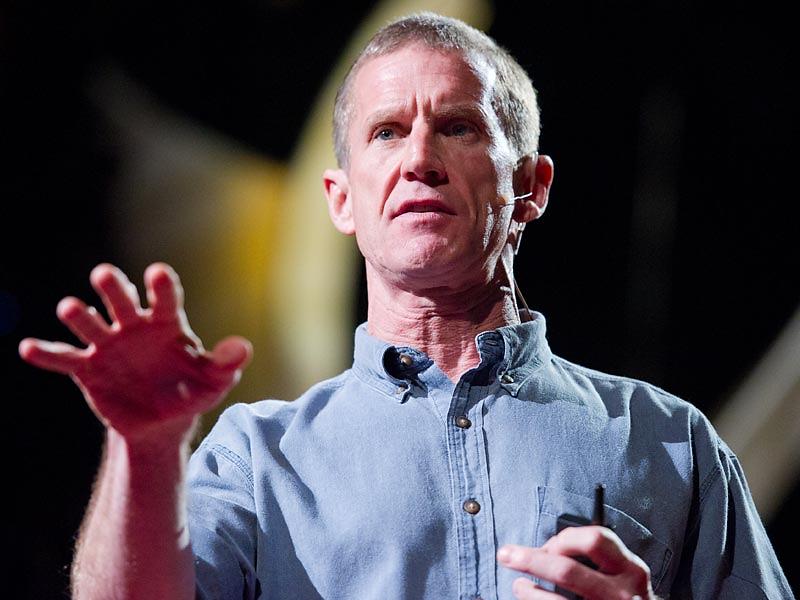
TEDxUNLV talk addressing why the military-to-civilian transition is harder than most people realize. Citroën, who has dedicated her career to helping veterans transition, shares what she's learned from working with thousands of service members. She breaks down the identity struggles, cultural gaps, and communication barriers veterans face and shows how civilians can actually help rather than just offering empty thank-yous.
These aren't feel-good fluff pieces. They're practical, honest looks at what veteran leadership means and how we can all do better by the men and women who served.
Action Point
Watch one of these videos. Then share it with someone who works with veterans or young men who need mentors. Better yet, watch it with your mentee and talk about what leadership actually looks like.
Upcoming Events

2025 NVBCC Annual Meeting & Holiday Gala
Celebrate Excellence | Elevate Connection | Embrace Community
When: December 12, 2025 at 7:00 PM
Where: Washington Dulles Airport Marriott
Who: Business leaders, veterans, and community builders in the DMV region
This is your chance to network with veteran business leaders, celebrate community excellence, and build connections that matter. If you're in the DC, Maryland, or Virginia area, mark your calendar.
Learn more and register: NVBCC.ORG
Join A Few Good MENtors:
Be a Mentee: Learn what leadership looks like from men who've served something bigger than themselves.
Volunteer as a Mentor: If you're a veteran, your service isn't over. Young men need what you have to offer.
Share G.R.O.W.: Forward this newsletter to a veteran in your life and ask them how they're continuing to serve.
Real men don't just serve once. They serve for life, one mentee at a time, one example at a time, one act of leadership at a time.